Rising from the Cauca River canyon in southwest Antioquia, Cerro Tusa is far more than a striking pyramid of stone. Its slopes, and the surrounding lands of Cerro Tusa Springs, sit within one of Colombia’s rarest and most endangered ecosystems: the tropical dry forest. Drought-hardy native trees, orchid-draped canopies, wild cats, and hundreds of birds share the landscape with the coffee farms and pastures that people have woven into the environment.
This guide explores the flora and fauna of Cerro Tusa and Cerro Tusa Springs: the native (Indigenous) plants and the introduced (non-native) ones, the medicinal traditions tied to them, the wildlife they sustain, and the profound effect each has on the land itself.
Where Cerro Tusa sits: a rare and endangered ecosystem
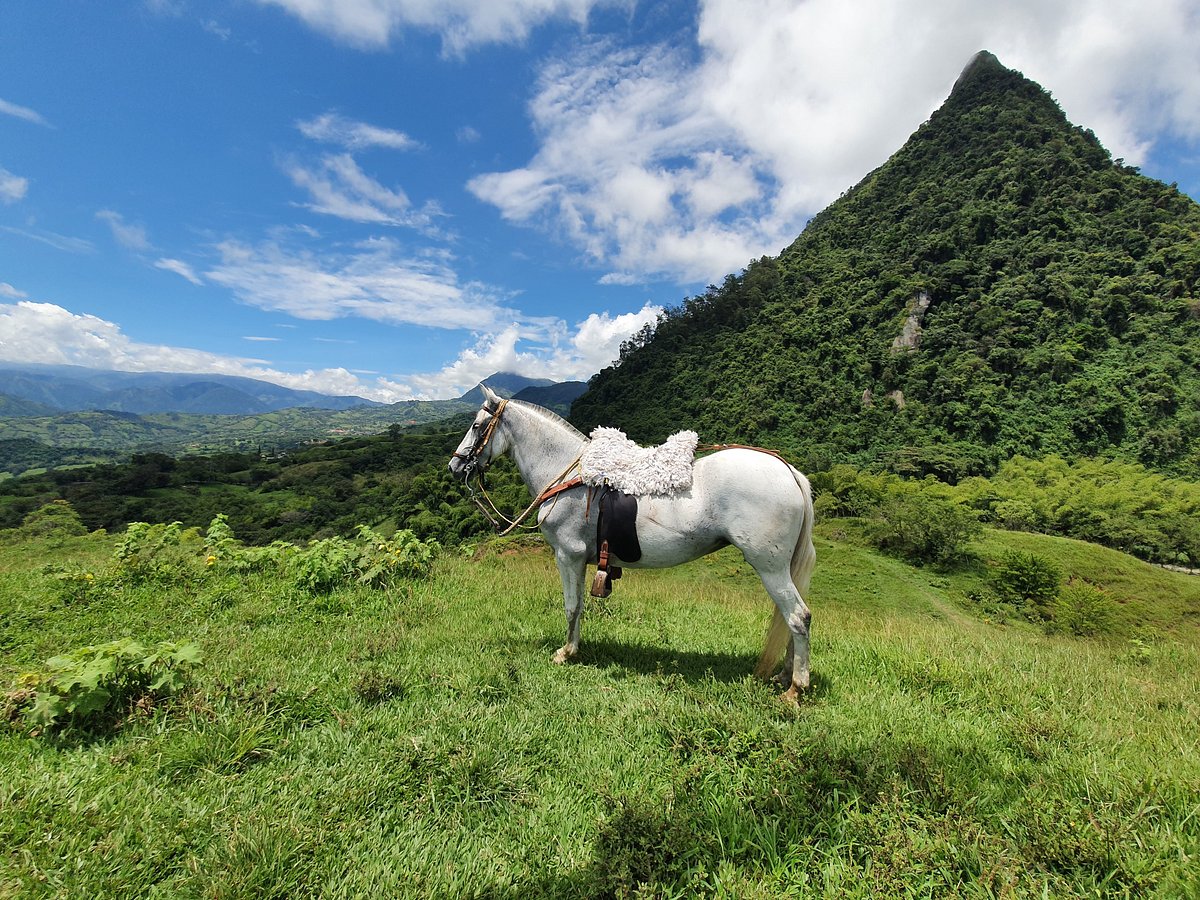
Cerro Tusa stands in the canyon of the Cauca River, Colombia’s second-most important river, in a belt of tropical dry forest (in Spanish, bosque seco tropical, or BST). This is one of the most threatened ecosystems on Earth: of an estimated original nine million hectares in Colombia, only a small fraction — often cited at around 8% — still survives, fragmented into scattered remnants. In the Cauca and Patía valleys, those surviving patches are among the smallest and most vulnerable of all.
What makes this forest special is adaptation. Its plants have evolved to endure long dry spells, many dropping their leaves in the driest months to conserve water. As you climb Cerro Tusa, this dry-forest character gradually gives way to cooler, moister premontane and coffee-belt vegetation at higher elevations — a transition that packs a remarkable range of habitats into a single mountain and helps explain the area’s rich biodiversity.
Native (Indigenous) flora of Cerro Tusa
The Indigenous plant life here is the backbone of the ecosystem — the species that evolved with this land and hold it together.
Canopy and understory trees. Characteristic dry-forest families thrive on and around the mountain, including the Myrtaceae (wild guavas and arrayanes), Sapindaceae, and Euphorbiaceae (which includes the red-sapped sangregado). Emblematic tropical dry-forest trees of the Cauca region include the totumo (Crescentia cujete), the guácimo (Guazuma ulmifolia), the mighty ceiba, and slow-growing hardwoods like guayacán — trees that offer shade, fruit, and refuge to wildlife.
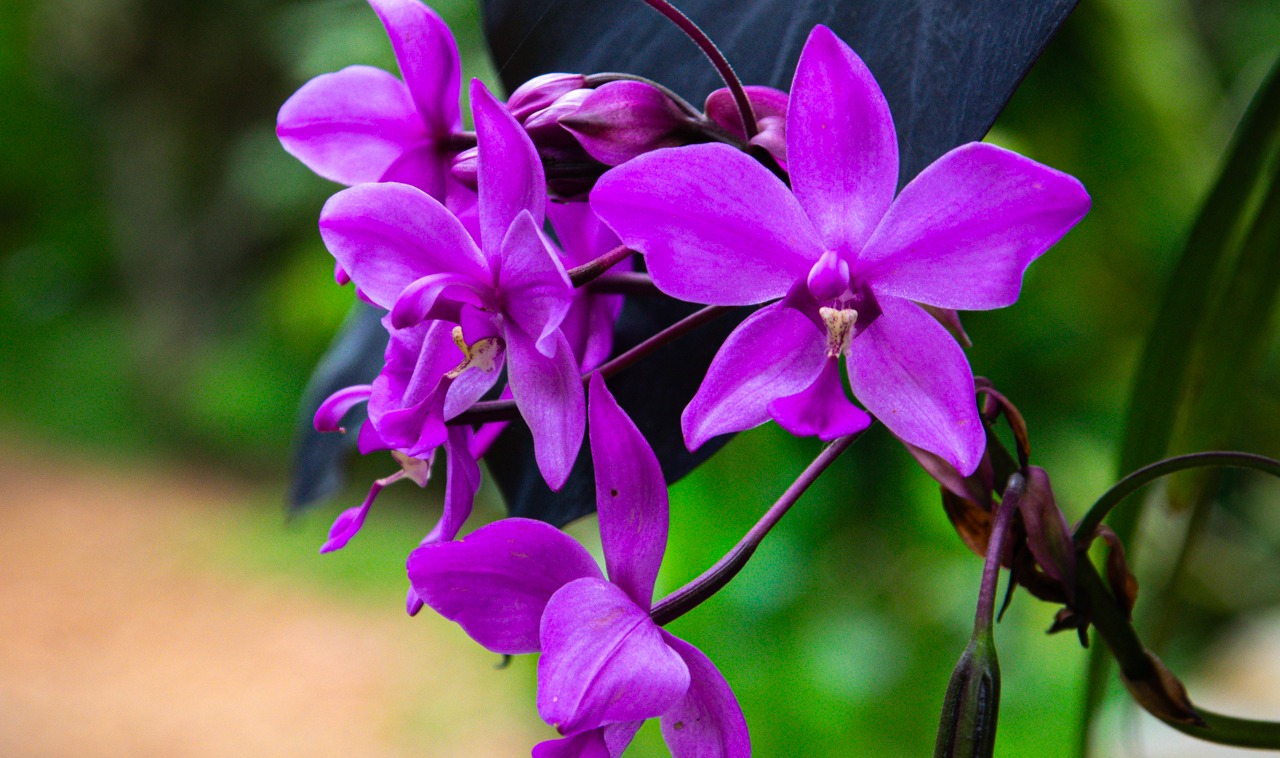
Epiphytes and the “air gardens.” The moister upper slopes and forest edges bloom with orchids, bromeliads, mosses, lichens, and other epiphytes that perch on trunks and branches. These air-dwelling plants are indicators of a healthy, humid microclimate and provide tiny reservoirs of water and habitat for insects and amphibians.
Native bamboo. Stands of guadua (Guadua angustifolia), Colombia’s native giant bamboo, often line watercourses. Fast-growing and deep-rooted, guadua stabilizes stream banks, filters water, and shelters an entire community of small creatures.
Medicinal properties of native plants
The peoples and campesino communities of Antioquia have drawn on this flora for generations. Ethnobotanical studies across the department, and the wider Chocó–Cauca region, record hundreds of plants used traditionally. Leaves are often the most commonly used part, with families such as Piperaceae, Asteraceae, Fabaceae, Malvaceae, and Rubiaceae featuring prominently.
A few native and long-naturalized examples with documented traditional uses include:
- Guácimo (Guazuma ulmifolia) — used traditionally for digestive complaints and applied to the skin; also noted for helping clear skin parasites.
- Cordoncillo (Piper aduncum) — leaf infusions used in baths for skin eruptions and scalp parasites; studied for antimicrobial compounds.
- Gualanday (Jacaranda) — traditionally used in washes for skin blemishes and eruptions.
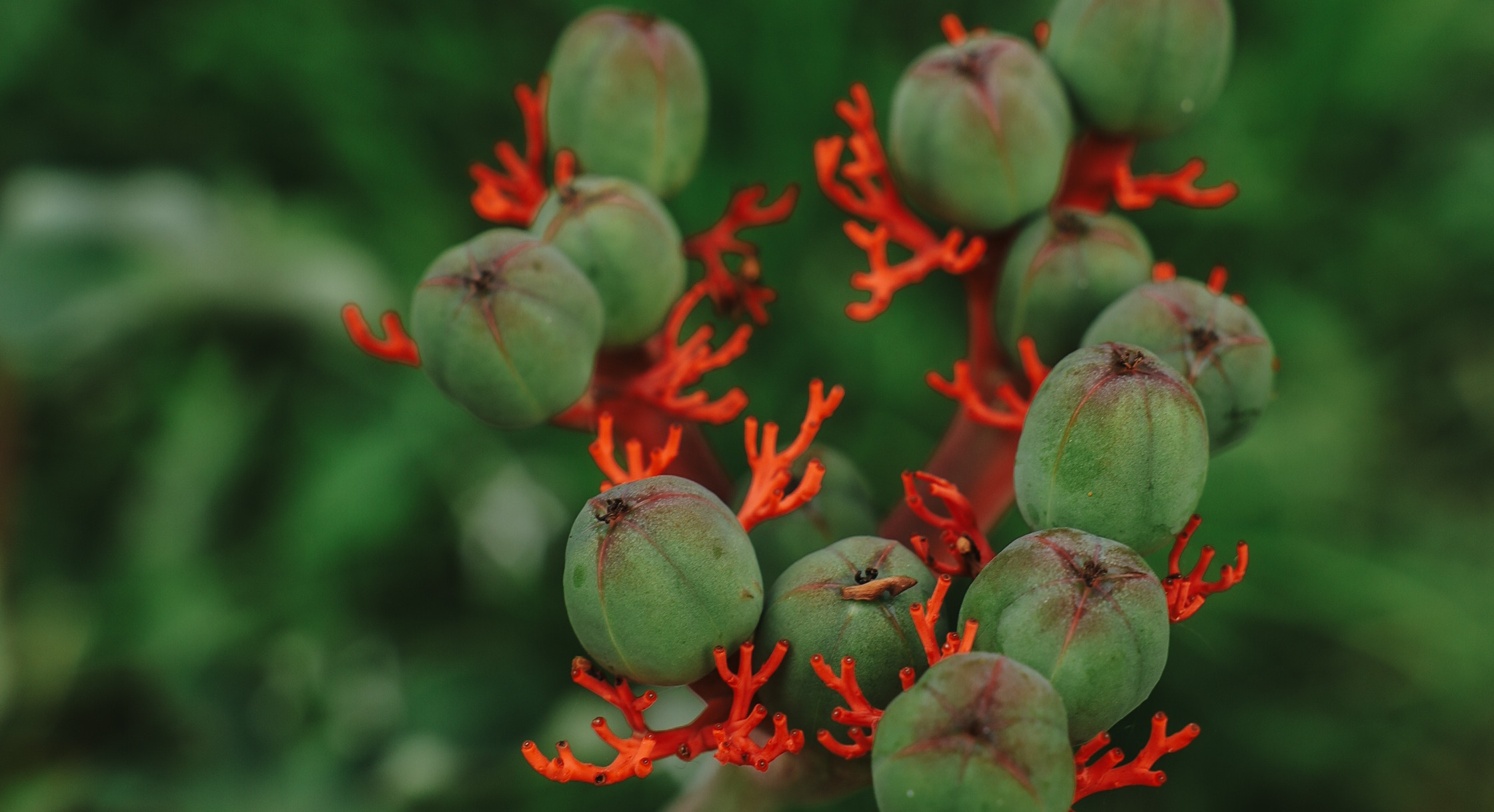
- Sangregado / sangre de drago (Croton spp.) — the red sap long applied to wounds for its astringent, skin-healing reputation.
- Totumo (Crescentia cujete) — the pulp used in traditional preparations for coughs and respiratory relief, and the hard gourd carved into vessels.
- Matarratón (Gliricidia sepium) — leaves used traditionally to bring down fevers and soothe skin, while the tree doubles as a “living fence.”
These are cultural and ethnobotanical traditions, not medical advice.
Native (Indigenous) fauna of Cerro Tusa
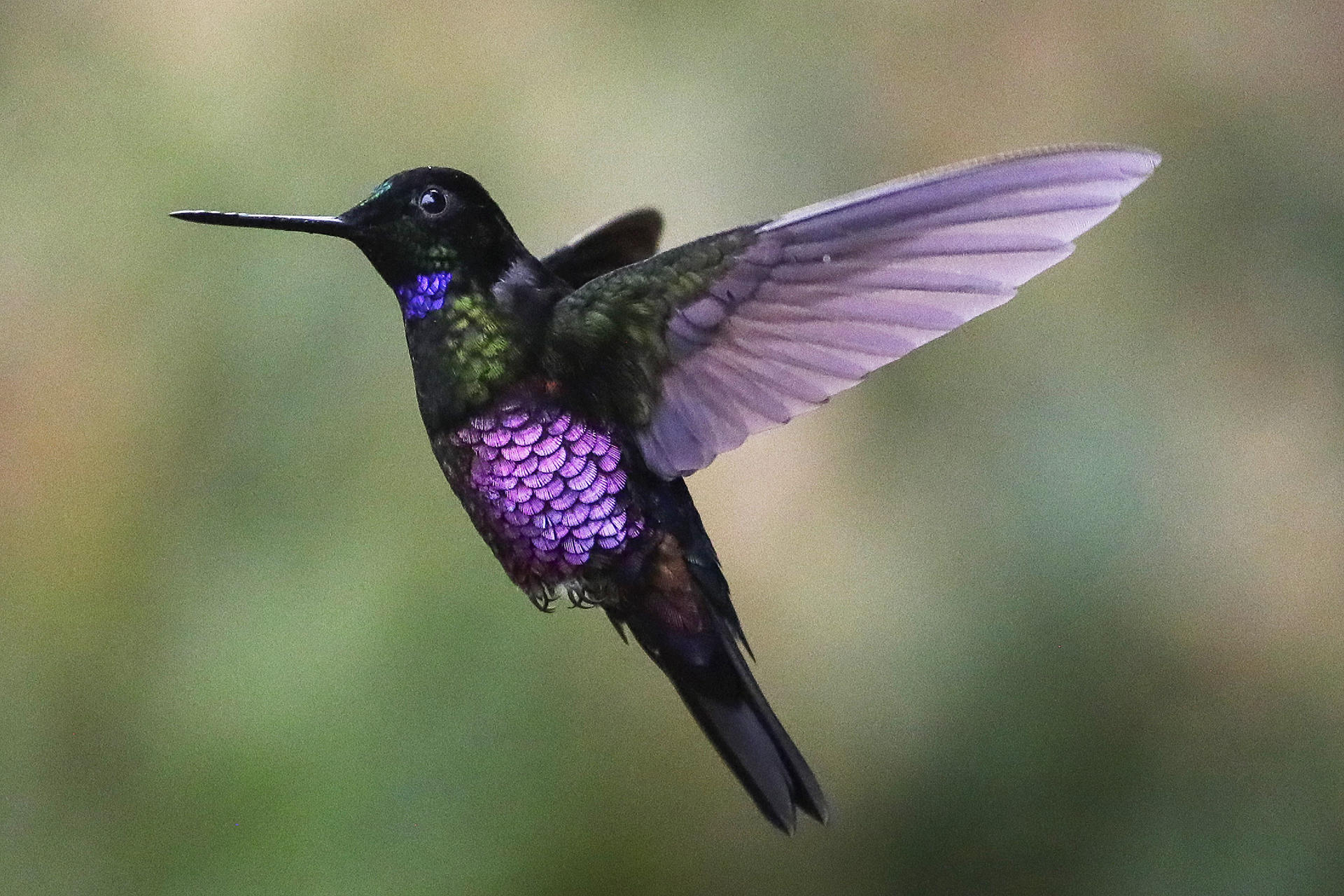
The forests around Cerro Tusa shelter a surprising density of wildlife, much of it most active at dawn, dusk, and night.
Mammals. Camera-trap surveys in the Cauca canyon’s dry forests have recorded small wild cats such as the ocelot (tigrillo/ocelote), oncilla, and jaguarundi, along with tayras, agoutis (guatines), armadillos, and, near the river, capybaras (chigüiros). Monkeys move through the better-preserved forest patches, and larger cats such as pumas historically ranged the wider canyon.
Birds. Birdlife is the headline attraction. The mix of forest, edge, and fruiting trees draws tanagers, hummingbirds, woodpeckers, flycatchers, and countless seed-and-fruit-eaters that come to feast on the forest’s nuts, berries, and blossoms — making the area rewarding for birdwatchers year-round.
Reptiles and amphibians. Iguanas bask on warm rock, while smaller lizards, snakes, and frogs occupy the leaf litter and the humid pockets around springs and streams.
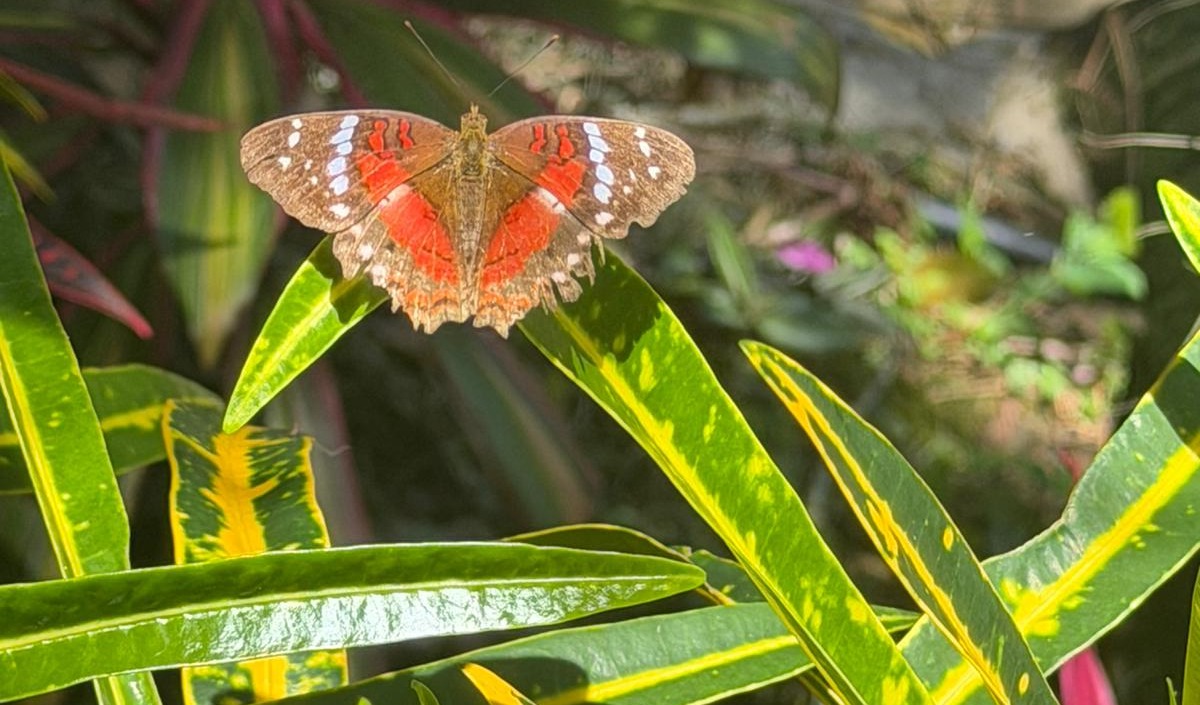
Insects and pollinators. Butterflies are especially visible in the dry season, when they gather at shrinking pools and damp streambeds to drink — an understated wonder that underscores how vital water sources are here. Bees, moths, and beetles quietly do the essential work of pollination and decomposition that keeps the whole system running.
Non-native (introduced) plants and the working landscape
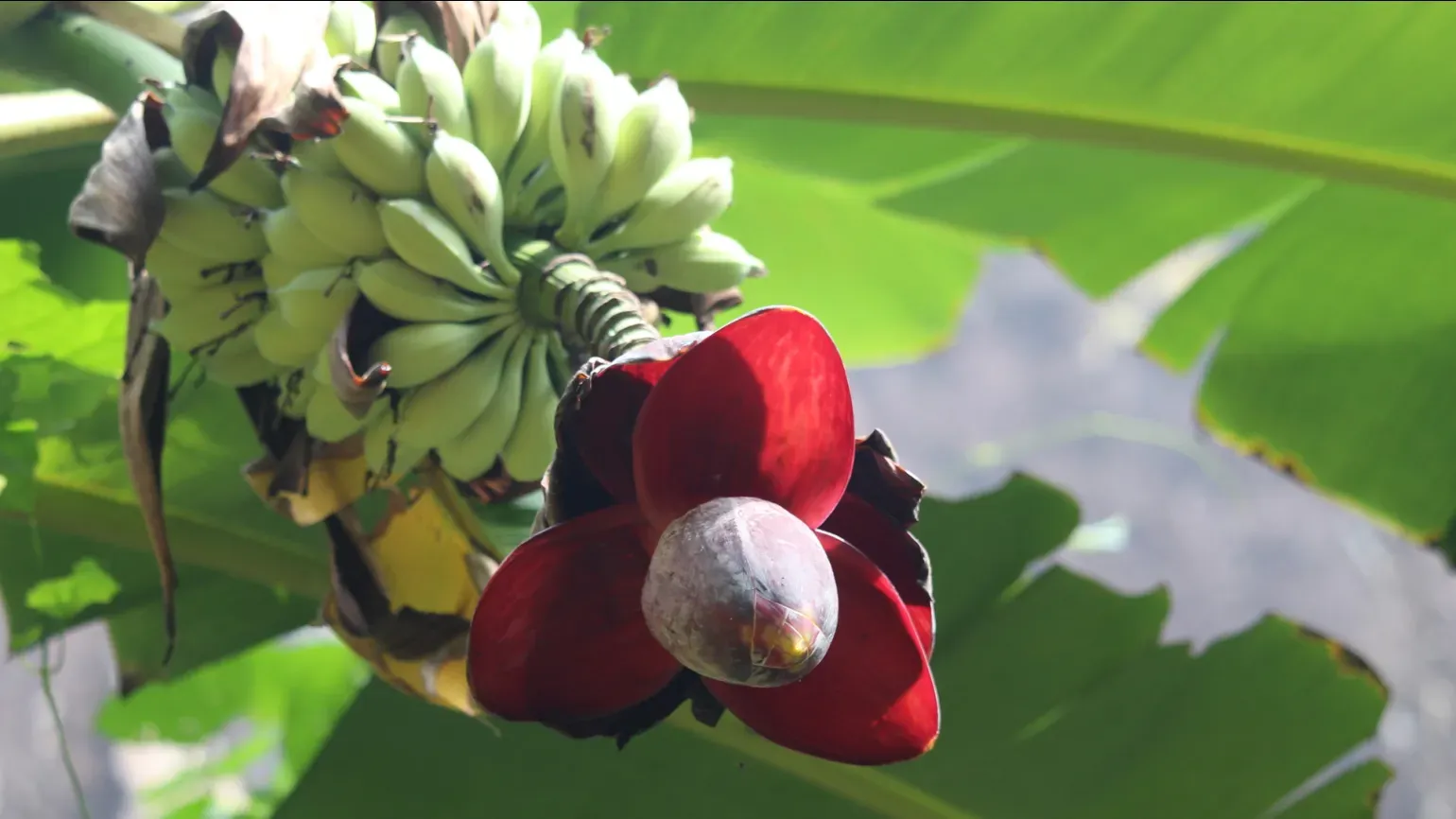
Layered over this native ecosystem is a productive, human-shaped landscape. Most of the plants that define daily life and the local economy here are introduced species:
- Coffee (Coffea arabica) — native to Africa and the Arabian Peninsula, now the signature crop of the Antioquian southwest.
- Plantain and banana (Musa spp.), citrus, mango, and sugarcane — Old-World and mixed-origin crops grown across the fincas around Venecia and Bolombolo.
- Eucalyptus and pine — fast-growing timber trees planted in plantations.
- African pasture grasses (such as jaragua and pará grass) — sown for cattle across cleared hillsides.
- Ornamentals — introduced flowering plants that decorate gardens and roadsides.
None of these are inherently villains. Coffee grown under native shade trees can support meaningful biodiversity; it’s how they are grown that determines their effect on the land.
The effect on the land: how each shapes the living system
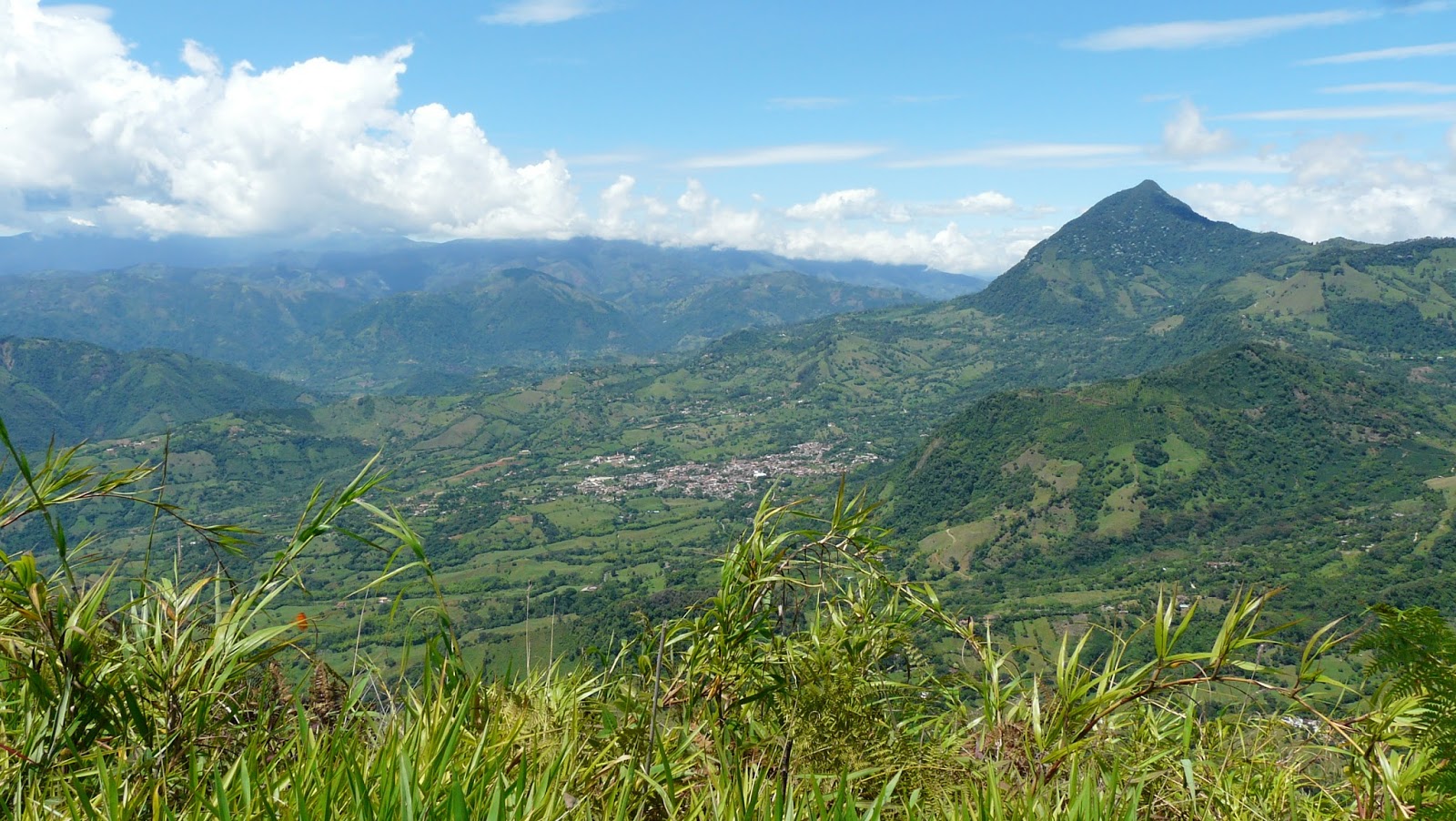
The contrast between native and introduced plant life is really a story about what holds this fragile landscape together — and what pulls it apart.
How native plants heal the land. Deep-rooted dry-forest trees and guadua anchor the steep, erosion-prone slopes of the canyon and hold soil in place through the rains. Their leaf fall rebuilds fertility, their canopies buffer temperature and humidity, and their fruit and nectar feed the pollinators and seed-dispersers that let the forest renew itself. Because dry-forest plants are adapted to drought, they are also among the most climate-resilient vegetation in Colombia — a natural defense as dry seasons intensify.
How introduced monocultures strain it. When forest is cleared for cattle pasture, sun-grown coffee, or eucalyptus and pine plantations, the effects compound. Fragmentation isolates wildlife populations and severs the corridors cats and monkeys need. Thirsty plantation trees and exposed pasture can dry out soils and lower water tables. Aggressive introduced grasses fuel dry-season fires that native forest is poorly equipped to survive. The result, repeated across the region, is the very fragmentation that has left tropical dry forest so endangered.
The middle path: regeneration. The encouraging news is that this land recovers when given the chance. Shade-grown and regenerative coffee, living fences of native trees, reforestation with local species, and the protection of streamside forests knit habitat back together — restoring soil, water, pollinators, and wildlife all at once.
Cerro Tusa Springs: an ecological retreat
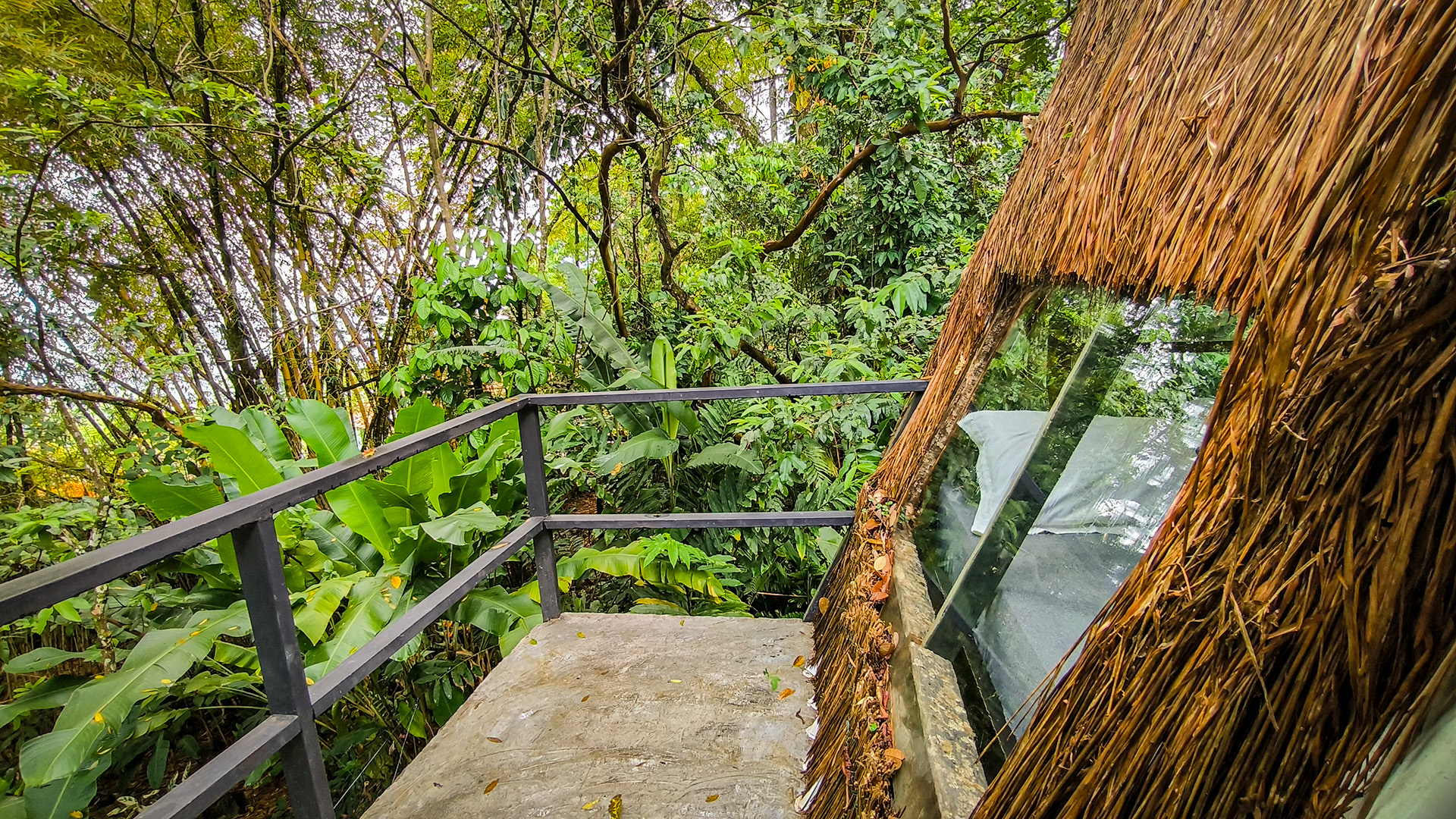
This regenerative ethos is central to Cerro Tusa Springs, an eco-lodge retreat built around natural pools and springs at the foot of the mountain. Visitors and reviewers consistently note the emphasis on the sustainability and regrowth of native flora and fauna — a place designed so that soaking in the springs, walking the trails, and resting under the canopy go hand in hand with letting the dry forest recover. It’s a model of how thoughtful, low-impact tourism can help protect one of Colombia’s rarest ecosystems rather than diminish it.
How to experience the flora and fauna responsibly
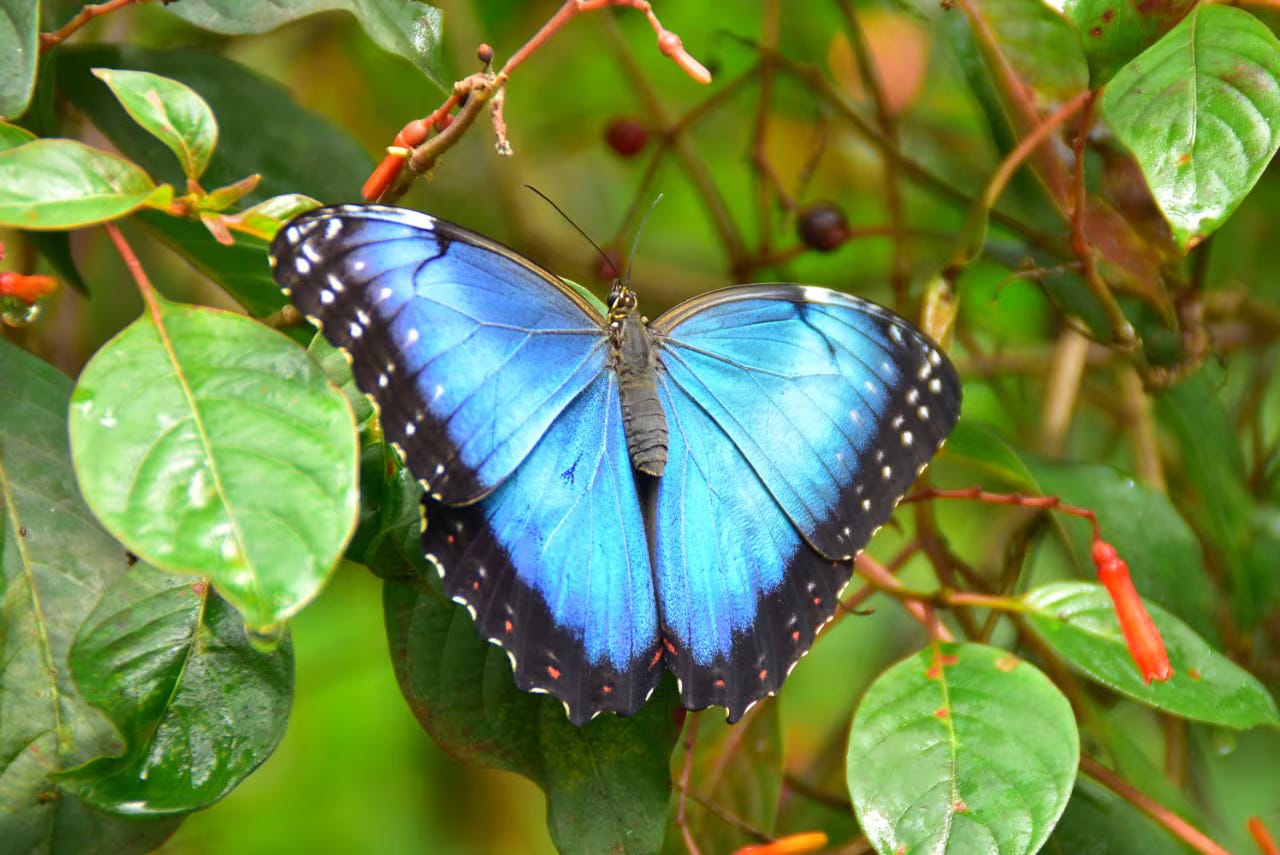
- Go with a local guide, who can help you spot and identify wildlife and native plants without disturbing them.
- Visit at dawn or dusk for the best chance of seeing birds and mammals active.
- Stay on marked trails to avoid trampling seedlings and fragile epiphytes.
- Never pick plants or feed animals, and don’t rely on wild plants for self-medication.
- Leave No Trace — pack out everything, so the forest stays intact for the species that depend on it.
Frequently asked questions
What kind of ecosystem is Cerro Tusa in? Cerro Tusa sits in the tropical dry forest of the Cauca River canyon — one of Colombia’s most endangered ecosystems — transitioning to premontane, coffee-belt vegetation at higher elevations.
What animals live around Cerro Tusa? The area supports small wild cats like ocelots, oncillas, and jaguarundis, plus tayras, agoutis, armadillos, iguanas, monkeys, capybaras near the river, and a wealth of birds, butterflies, and other pollinators.
Which plants near Cerro Tusa are used medicinally? Traditional uses are recorded for native and long-naturalized plants such as guácimo, cordoncillo, gualanday, sangregado, totumo, and matarratón. These are cultural and ethnobotanical traditions, not medical advice.
Are the coffee and other crops native to the area? No. Coffee, plantain, citrus, sugarcane, mango, eucalyptus, and pasture grasses are all introduced species layered onto the native tropical dry forest.
Why does native plant life matter here? Native dry-forest plants stabilize steep slopes, retain water, rebuild soil, feed wildlife, and resist drought; they’re essential to the land’s health and its resilience to climate change.