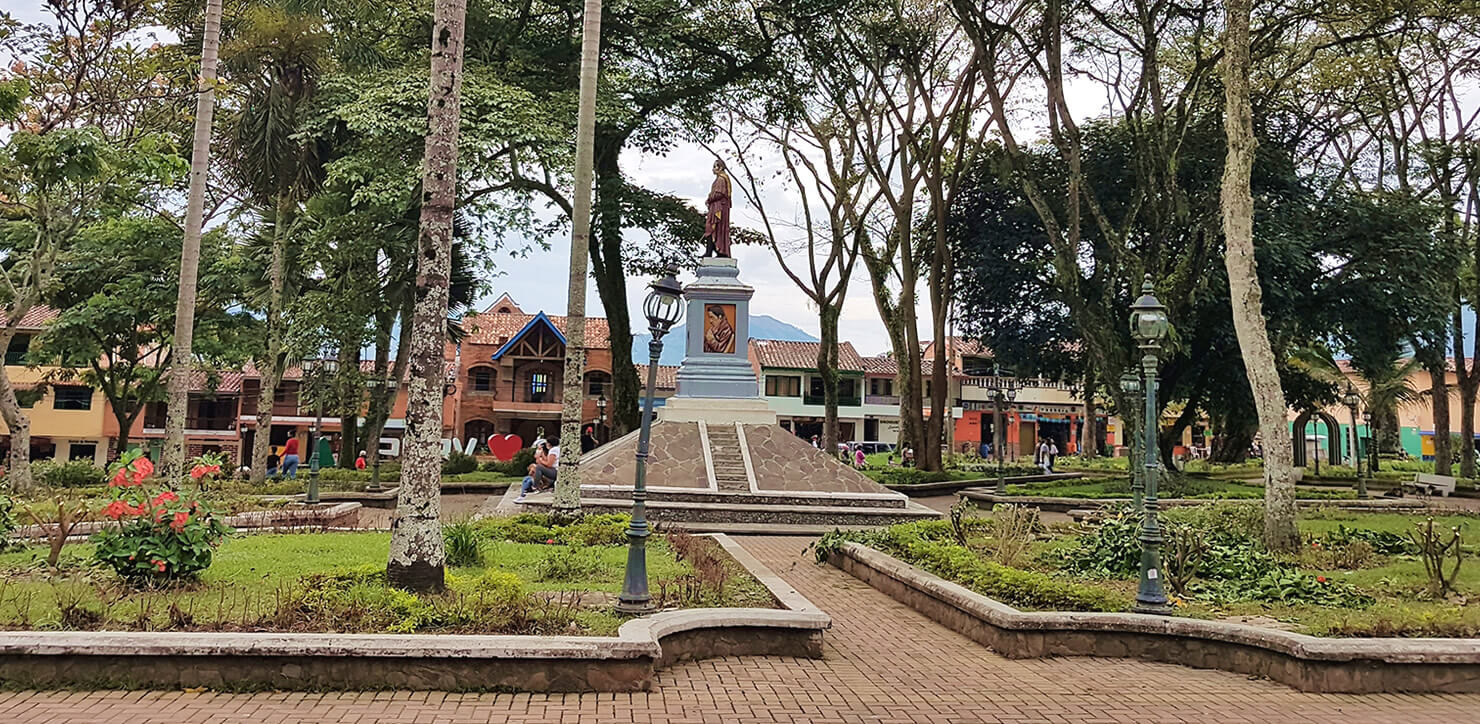
Living within the green folds of southwest Antioquia, the town of Venecia is best known for the landmark that rises above it: Cerro Tusa, a near-perfect pyramid of stone often called the tallest natural pyramid on Earth. Add the restorative calm of Cerro Tusa Springs at its base, and you have one of Colombia’s most rewarding short escapes from Medellín. However, timing your trip well makes the difference between a clear-sky summit and fog-heavy rainy conditions that last for days.
This guide breaks down exactly when to visit Venecia, Cerro Tusa, and Cerro Tusa Springs, how each season compares, and the festivals worth planning around.
Quick answer: the best time to visit Venecia and Cerro Tusa
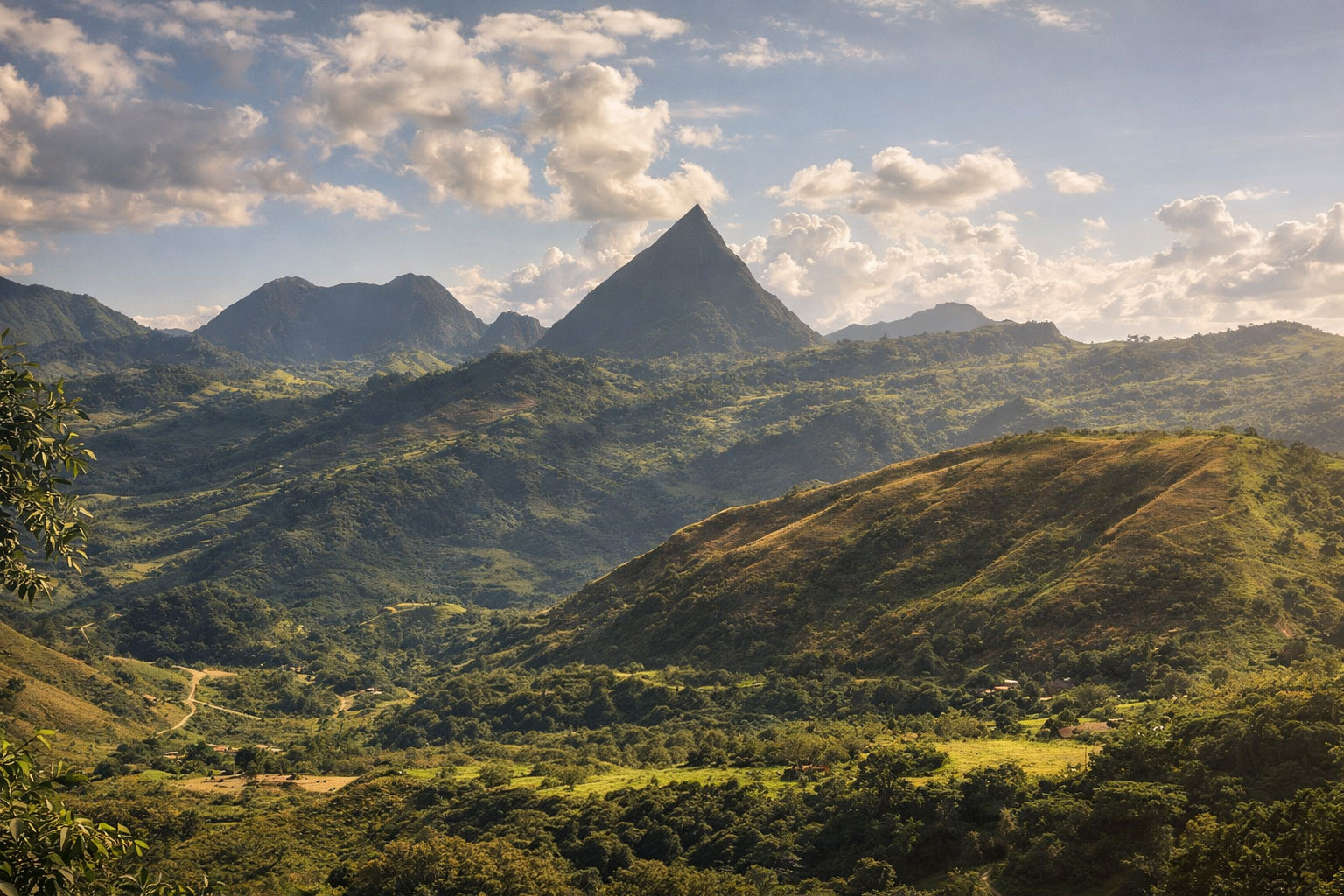
The best time to visit Venecia and hike Cerro Tusa is during the dry seasons: roughly December to March and June to August. These months bring more stable weather, firmer trails, and the clear panoramic views of the Cauca River canyon that make the climb worthwhile. If you also want festivals, target mid-to-late June, when Venecia hosts the Fiestas Tradicionales del Cerro Tusa.
Understanding Venecia’s climate
Venecia sits in the Andes of southwest Antioquia, near the Cauca River, at a moderate elevation that gives it a warm, spring-like climate year-round. Because Colombia straddles the equator, the area doesn’t have the four temperate seasons of North America or Europe. Temperatures stay fairly constant all year; what changes is rainfall.
Like Medellín and the rest of Andean Antioquia, Venecia follows a bimodal climate — two drier periods and two wetter periods each year:
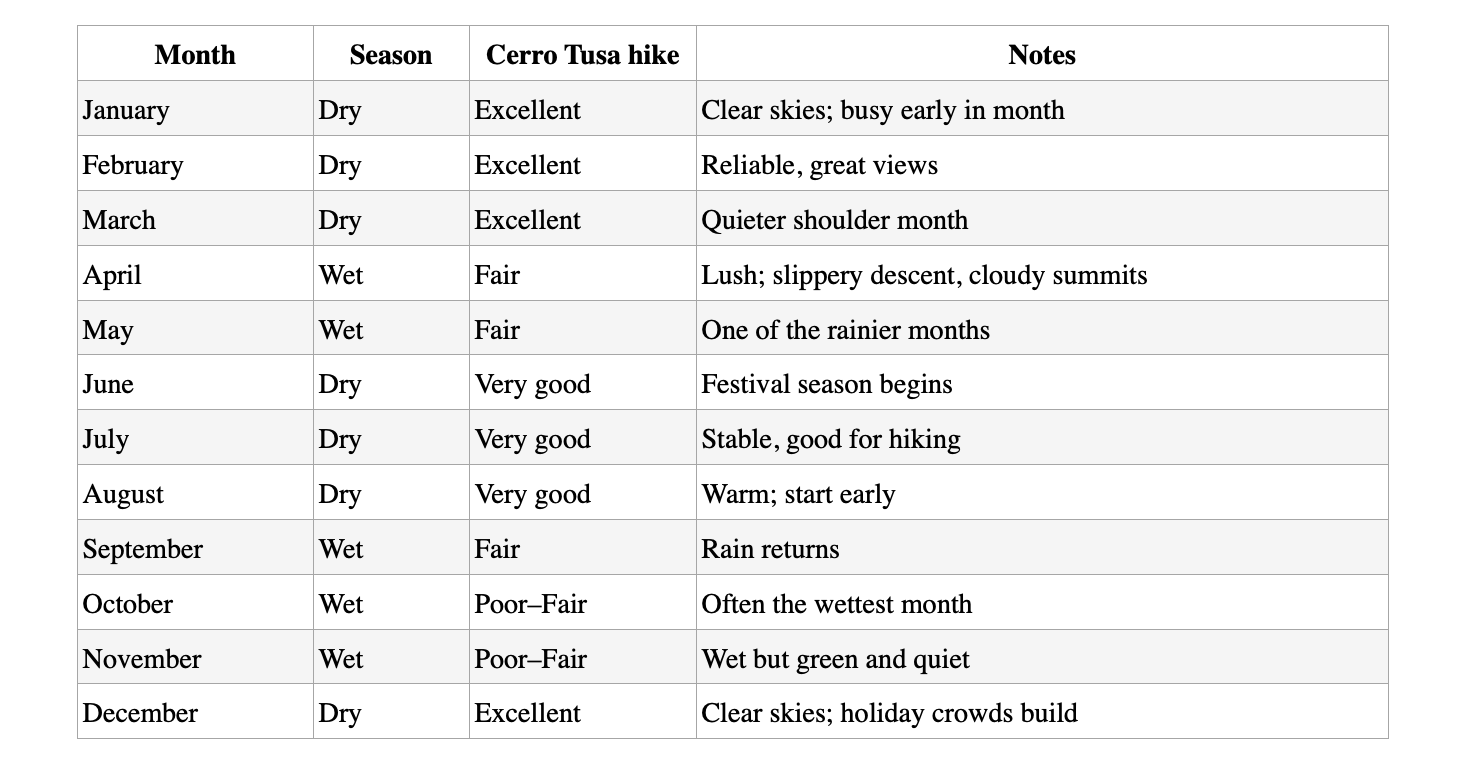
- Dry seasons (less rain): December–March and June–August
- Wet seasons (more rain): April–May and September–November
October and November are typically the wettest months of all. Even in the dry season, brief afternoon showers can appear, so the labels describe tendencies, not guarantees. The practical takeaway: plan outdoor adventures for the drier windows and keep a rain layer handy regardless.
Season-by-season comparison for Cerro Tusa and Cerro Tusa Springs
Dry season: December to March (the prime window)
This is the most reliable stretch for the region. Skies are clearer, the steep clay-and-rope trail up Cerro Tusa is far less slippery, and the summit’s 360-degree views over the Cauca canyon and the Cordillera Central are at their best.
The trade-off is crowds and prices. December and January coincide with Colombian holiday travel, so weekends on the mountain are busy and accommodation fills early. For a quieter experience with still-excellent weather, late January through March is a sweet spot. March is particularly a shoulder month, with thinning crowds before the rains return.
Wet season: April to May (lush but slippery)
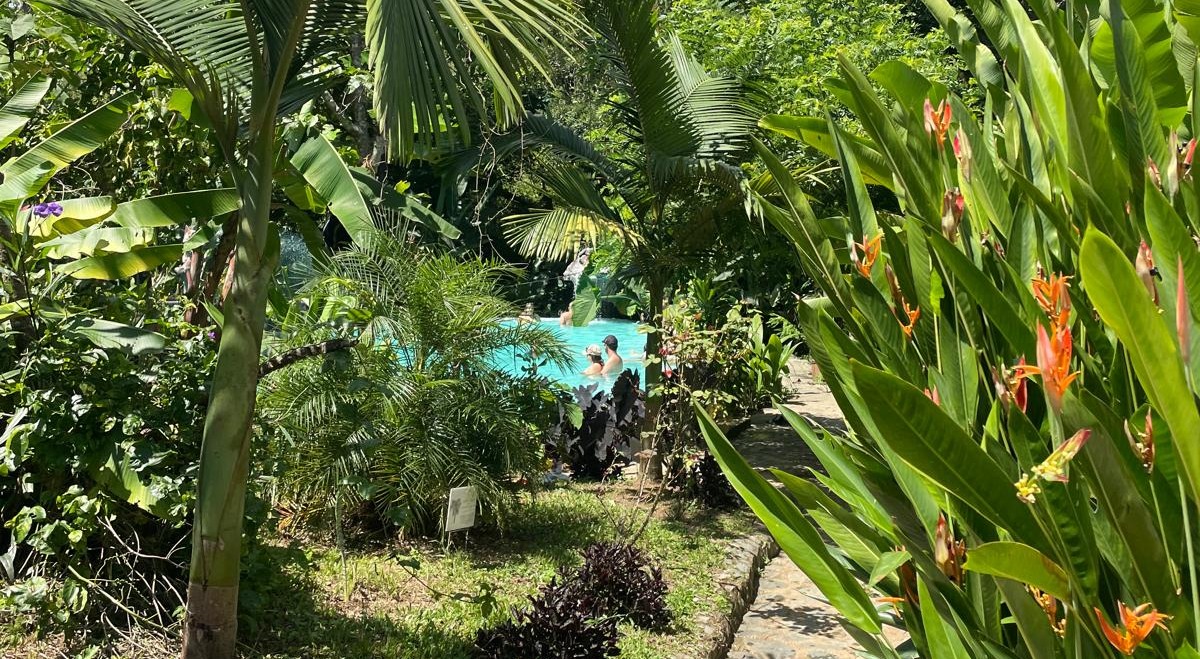
The first rainy period turns the countryside an electric green and the coffee farms into bloom — beautiful, but tricky for the climb. Hikers consistently report that Cerro Tusa’s descent becomes genuinely treacherous when wet, and clouds frequently swallow the summit view. This is a fine time to enjoy Cerro Tusa Springs, the lush scenery, and the slower rhythm of town, but a riskier bet for hikes.
Dry season: June to August (festival season)
The second dry window is excellent for hiking and has a major bonus: it overlaps with Venecia’s festival calendar and Colombia’s June holiday bridges. Trails firm up, views open back up, and the town comes alive. August can be warm and a little cloudier on average, so an early-morning start is your friend. This is arguably the best all-around window if you want adventure and local culture in one trip.
Wet season: September to November (greenest, quietest, cheapest)
The second and heaviest rainy period brings the lushest landscapes, the fewest visitors, and the lowest prices, but the least dependable conditions for the summit. If your priority is a peaceful stay at Cerro Tusa Springs, nature photography, birdlife, and misty Andean atmosphere rather than a guaranteed clear-sky climb, these months have a quiet magic. Pack for rain and build flexibility into your hiking plans.
Month-by-month snapshot
Notable festivals and celebrations in Venecia
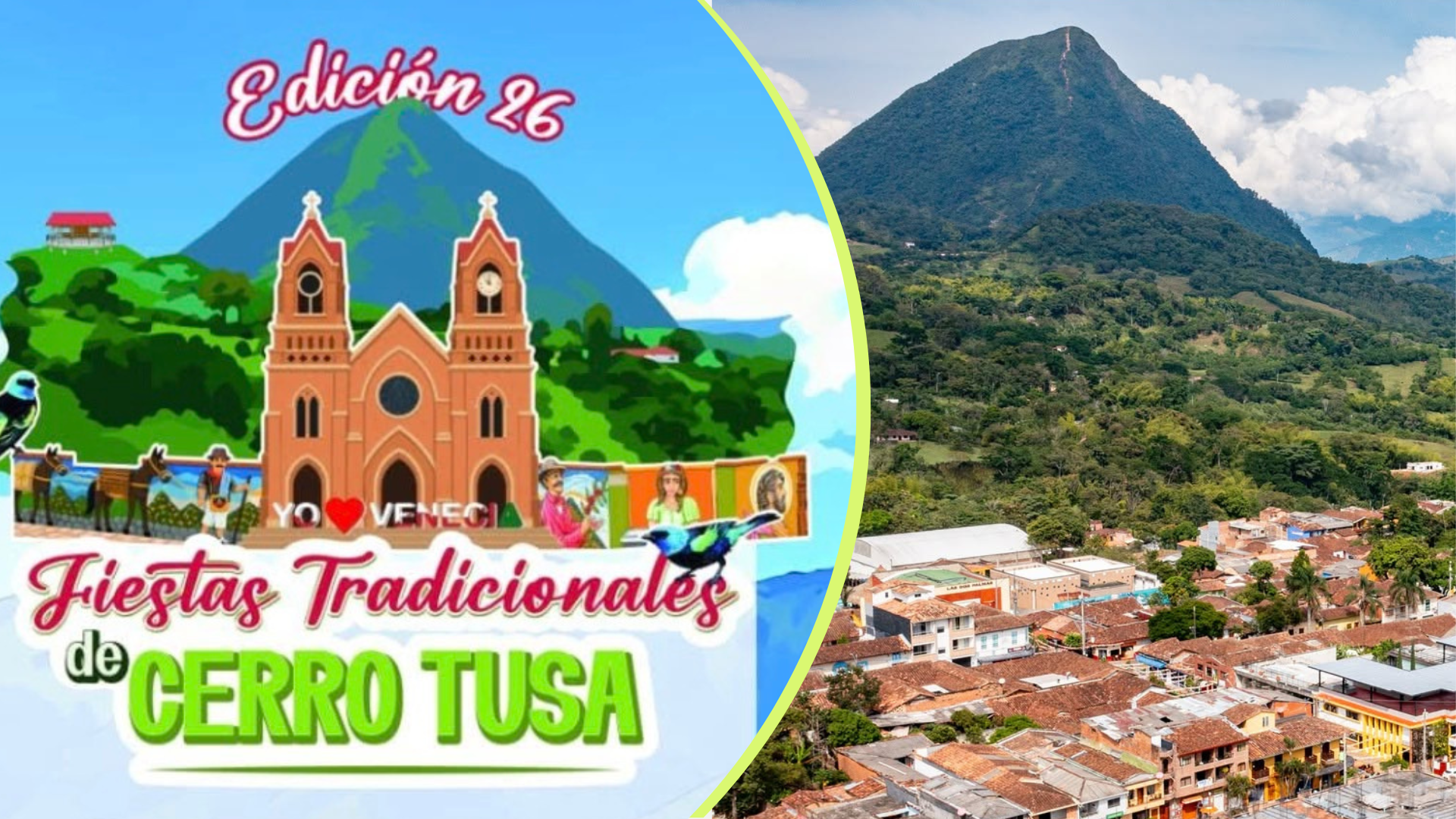
Timing a visit around a celebration adds music, food, and local color; it also means more visitors and earlier booking.
Fiestas Tradicionales del Cerro Tusa (June) — the signature event
Venecia’s flagship festival is a multi-day celebration of veneciano identity built around its iconic mountain. Expect live popular, vallenato, tropical, and urban music, a cultural week of community events beforehand, a Color Run, troubadour (trova) showcases, and performances by local and national artists. It generally runs in mid-to-late June, timed to Colombia’s Corpus Christi and San Pedro y San Pablo holiday bridges, so exact dates shift each year. Recent editions ran June 20–23 in 2025 (its 25th edition) and June 12–15 in 2026. If festivals are your goal, June is the month to plan around — just book early since the town fills up.
Semana Santa (Holy Week, March or April)
As across Colombia, Holy Week brings solemn processions and a surge of domestic travel. Towns are atmospheric but busy, and prices climb. It’s a culturally rich time to visit, but reserve accommodation well in advance.
Coffee-country celebrations (August)
Venecia is part of Antioquia’s coffee belt, and the wider southwest region leans into coffee culture in August with fairs, farm tours, and tastings. Around the same time, the 12K running race along the Cauca River near Bolombolo (a corregimiento of Venecia) draws athletes to the area. Medellín’s famous Feria de las Flores also unfolds in early August, making it easy to pair a city visit with a trip south.
Christmas and New Year (December)
December brings alumbrados (light displays), family gatherings, and a festive nationwide mood — paired with some of the year’s best outdoor adventure weather. The flip side is peak-season crowds and pricing from mid-December through early January.
What to pack, whatever the season
- Sturdy hiking shoes or boots with good grip — the trail is steep and can be slick.
- A rain layer, even in the dry season; afternoon showers are common.
- Sun protection: hat, sunscreen, sunglasses. The equatorial sun is strong at altitude.
- Plenty of water and snacks for the climb, which takes several hours round-trip.
- Insect repellent, especially near the summit and the springs.
- A camera for the canyon views — and your passport details, which guides may require for registration.
A local guide is strongly recommended (and officially encouraged) for the Cerro Tusa ascent: the route is demanding, includes roped sections, and guides add rich context about the mountain’s Zenufaná Indigenous history and surrounding ecology.
Putting it together: how to choose your season
- For the clearest views and safest climb: December–March.
- For adventure plus festivals: June–August, anchored by the Fiestas del Cerro Tusa.
- For lush scenery, solitude, and lower prices (with flexible hiking plans): September–November.
- For a relaxed springs-and-nature stay without a hard focus on summiting: any month — just match expectations to the rain.
However you time it, Venecia rewards the visit. Cerro Tusa delivers one of Antioquia’s most striking summit views, and Cerro Tusa Springs offers the perfect place to soak, slow down, and recover afterward — a balance of adventure and restoration that defines this corner of Colombia’s southwest.
Frequently asked questions

What is the best month to hike Cerro Tusa? January through March and June through August are ideal, with firmer trails and clearer summit views. December is excellent for weather but busier with holiday travelers.
Is Venecia worth visiting in the rainy season? Yes, if you value lush landscapes, fewer crowds, and lower prices. Just expect slippery trails and cloudier summits from April–May and September–November, and keep hiking plans flexible.
When is the Fiestas del Cerro Tusa festival? It takes place in June, usually mid-to-late month around Colombia’s holiday bridges, with dates varying year to year. Book accommodation early, as the town fills up.
How far is Venecia from Medellín? Roughly 60 kilometers, about a two-hour drive or bus ride from Medellín’s Terminal del Sur.
Do I need a guide to climb Cerro Tusa? A local guide is strongly recommended and officially encouraged. The ascent is steep, includes roped sections, and a guide adds safety plus cultural and ecological insight.